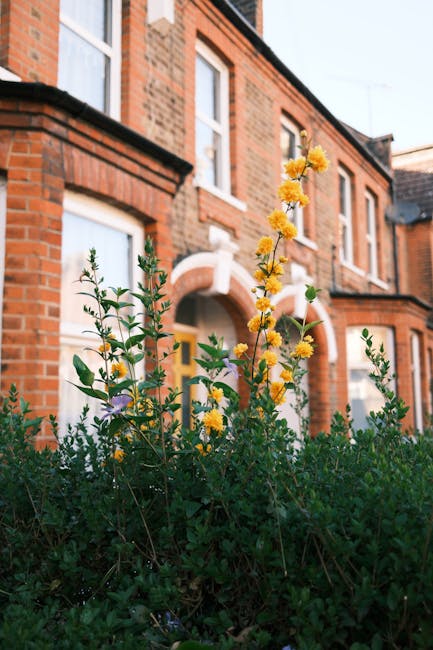
Coney Hall Road garden maintenance guide for terraced homes
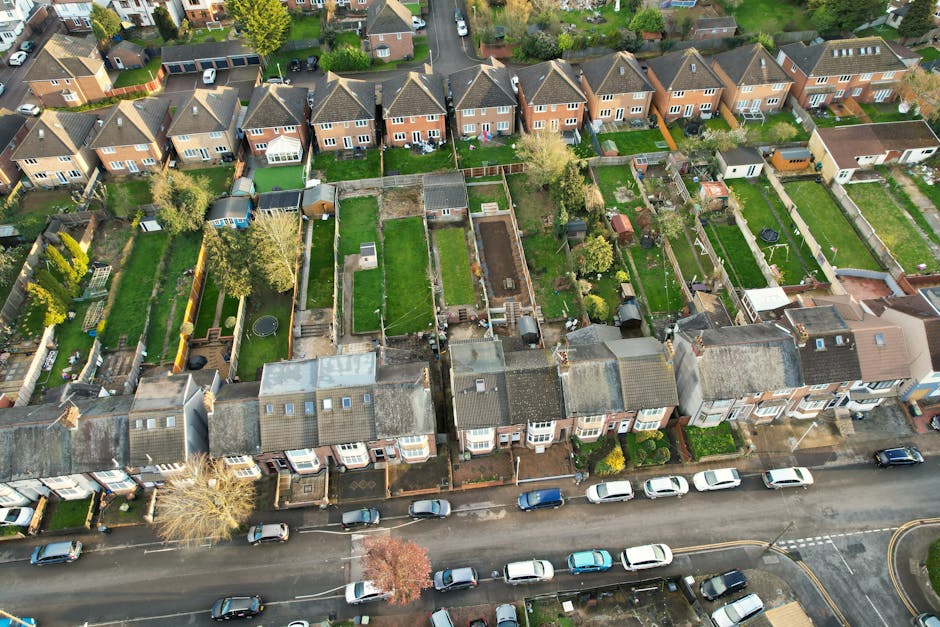
If you live in a terraced home on or near Coney Hall Road, you already know the garden can be a blessing and a bit of a puzzle. Space is tighter, access can be awkward, and the little jobs have a habit of piling up faster than you'd like. This Coney Hall Road garden maintenance guide for terraced homes is designed to make that easier. It explains what good maintenance looks like, how to stay on top of it through the year, and where a sensible bit of planning saves time, stress, and money.
Terraced gardens often look simple from the street, but in practice they need a slightly different approach than larger plots. Narrow paths, shared boundaries, compact patios, shaded corners, and limited storage all shape the way you care for them. The good news? With the right routine, even a small garden can look calm, tidy, and genuinely inviting. And yes, even on a busy week.
Below, you'll find practical steps, common mistakes, a simple comparison of maintenance approaches, and a checklist you can use straight away.
Key takeaway: small terraced gardens are usually won or lost on consistency. A little regular attention beats one huge weekend overhaul nearly every time.
- Why this matters for terraced homes
- How the maintenance routine works
- Key benefits and practical advantages
- Who this guide is for
- Step-by-step guidance
- Expert tips for better results
- Common mistakes to avoid
- Tools, resources and recommendations
- Law, compliance, standards and best practice
- Options and comparison table
- Real-world example
- Practical checklist
- Conclusion
- Frequently asked questions
Why Coney Hall Road garden maintenance guide for terraced homes Matters
Terraced-home gardens have their own rhythm. They are often long and narrow, with fences, side returns, or small rear yards that trap leaves and moisture. In a street like Coney Hall Road, that can mean the same problems coming back again and again: weeds in the paving, moss on shaded paths, grass that grows unevenly, or hedges that lean into the space. It sounds minor until the garden starts feeling neglected, and then it becomes one of those things you keep avoiding.
Regular maintenance matters because compact gardens have less margin for error. A small patch of bindweed can spread fast. A blocked drain or overgrown bed can make the whole space look messy. And in terraced homes, where neighbours are close by, tidy boundaries and well-kept front or rear gardens quietly improve the feel of the whole property. Let's face it, first impressions are not just for the front door.
There is also a practical side. Poor upkeep can lead to slippery surfaces, damaged fence panels, hidden pests, and garden furniture that never quite gets used because the space feels cramped. A good routine keeps the garden usable, not just presentable. That difference really matters.
If your garden is part of a wider property upkeep plan, it can help to think of it alongside broader garden maintenance services rather than as a one-off tidy. That mindset makes the job less reactive and more manageable.
How Coney Hall Road garden maintenance guide for terraced homes Works
The best way to maintain a terraced garden is to divide the work into small, repeatable tasks. Instead of waiting until everything looks wild, you handle the pieces that matter most: mowing, trimming, weeding, clearing, edging, sweeping, and checking for drainage or boundary issues. Simple, really. Not always easy, but simple.
A good system usually runs on three layers:
- Weekly or fortnightly tasks: mowing, sweeping, light weeding, watering, deadheading, and checking for litter or fallen debris.
- Monthly tasks: hedge shaping, pruning, feeding lawns or beds, washing patios, and checking fence lines or trellises.
- Seasonal tasks: cutting back in late autumn, spring refresh work, leaf clearance, soil improvement, and larger tidy-ups.
That approach keeps the space under control without turning garden care into a full-time second job. For many terraced homes, the real challenge is not the work itself, but finding a routine that fits around school runs, commuting, work, and everything else. So the trick is to keep the tasks short, visible, and realistic.
If you have tall hedges, awkward growth, or boundary shrubs that are getting unruly, specialist help from hedge trimming services can save time and help keep the garden neat without overcutting. That is especially useful where space is tight and even a small hedge can dominate the whole plot.
For gardens with tired turf or patchy grass, regular lawn mowing makes a big visual difference. In a compact garden, the lawn is often the thing your eye lands on first. Keep it level and trimmed, and the whole space instantly feels more cared for.
Key Benefits and Practical Advantages
Good maintenance does more than make the garden look tidy. It changes how the space works for you.
- Better usability: A clear, well-kept garden is more likely to be used for sitting out, storing bikes neatly, or letting children play.
- Less long-term damage: Small issues like blocked corners, wet patches, or cracked edging can be spotted early.
- Improved kerb appeal: Even modest front gardens can lift the feel of the whole property.
- Lower stress: Regular maintenance prevents that overwhelming "where do I even start?" feeling.
- Safer surfaces: Moss, leaves, and algae are easier to manage before they become slippery.
- Better plant health: Plants in small spaces compete for light and nutrients, so routine care matters more.
There is also a less obvious benefit: maintenance helps you understand your garden. You notice where the sun lands in the afternoon, which corner stays wet after rain, and where plants seem happiest. That sort of knowledge is quietly powerful. It is the difference between constantly battling the space and actually working with it.
When a terraced garden is kept in shape, it can also support more ambitious improvements later on, whether that means reworking a tired layout through landscaping or refreshing a patio area with decking services. Maintenance and improvement go hand in hand.
Who This Is For and When It Makes Sense
This guide is for homeowners, landlords, and tenants managing compact gardens on terraced properties. It is especially useful if your space is:
- narrow or long rather than wide
- shared by sightlines or boundaries with neighbouring homes
- mostly paved, with a small lawn or planting strip
- hard to access with larger tools
- shaded for part of the day
- used for storage as well as planting
It also makes sense if your garden has reached the "almost tidy" stage. You know the one. It is not quite overgrown, but it never quite feels finished either. A few weeds around the paving. Some hedge growth hanging over. Bits of leaf litter collecting in the same corner. Nothing dramatic, but enough to nag at you every time you glance outside.
This is also a good starting point if you are comparing whether to manage the garden yourself or bring in professional help. For light, regular work, DIY can be enough. For heavier clear-ups, awkward access, or recurring issues, a scheduled service can be far more efficient. If the plot needs a major reset, a one-off garden clearance can give you a clean baseline to work from.
For residents who want broader support, a full services overview can be a sensible starting point before choosing the right level of help. Not every garden needs the same treatment, and that is perfectly fine.
Step-by-Step Guidance
Here is a practical routine that works well for most terraced gardens. You can adapt it to the size of the space, the season, and how much time you realistically have.
1. Start with a quick walk-through
Before you pick up a tool, walk the garden slowly. Look for clutter, weeds, broken pots, overgrown edges, blocked drains, and any plant that is growing where it should not be. This takes two minutes and saves you from doing the same job twice. You would be surprised how often that happens.
2. Remove surface mess first
Clear leaves, twigs, dead foliage, and any loose rubbish. In small gardens, visual clutter matters more than people think. A space can be neat underneath but still look untidy if there are bits everywhere. A broom, a leaf rake, and a bucket are often enough to make a big difference fast.
3. Tackle weeds before they spread
Pull weeds while the soil is damp if possible. In paved areas, check joints, corners, and the base of walls. In borders, remove the roots where you can, but do not rip things up so hard that you disturb nearby plants. A little patience saves trouble later.
4. Cut grass and edges cleanly
If the garden has a lawn, keep the cut consistent and do the edges too. Edge definition matters hugely in a compact space. Without it, the lawn can look smaller and messier than it really is. If mowing feels like a recurring chore rather than a quick win, a regular local mowing routine can help keep things simple.
5. Trim hedges, shrubs, and climbers
Do light shaping before things get too woody or tangled. In terraced gardens, climbing plants can be lovely, but they need boundaries. Left unchecked, they smother light and make fences or trellises look tired. For anything taller, awkward, or close to neighbouring boundaries, it is worth using careful hedge trimming or specialist help rather than taking a guess.
6. Refresh beds and containers
Top up compost, remove dead stems, and replace tired plants where needed. Containers are often a lifesaver in terraced gardens because they add structure without taking much room. The catch is that they dry out quickly and can look scruffy if ignored. A few healthy pots can do more for a garden than ten neglected ones.
7. Check drainage and hard surfaces
Look for puddles, moss, algae, and slipping risk on paving or decking. Terraced gardens can hold moisture in awkward places, especially where light is limited. A stiff brush and regular cleaning go a long way, and it is worth noticing whether water runs away from the property properly after rain.
8. Finish with a reset
Put tools away, move the bins, straighten pots, and do one last visual check from the back door. This final step sounds minor, but it matters. If the garden looks finished when you come back inside, you are more likely to keep it that way next week.
Expert Tips for Better Results
Here are a few things that make a genuine difference in small terrace gardens. These are the sort of details people often skip, then wonder why the space still feels a bit off.
- Work top to bottom: Start with overhanging growth, then borders, then surfaces. It stops debris falling onto finished areas.
- Use repetition wisely: Do the same small maintenance actions at the same time each week. Habits beat heroics.
- Do not overcrowd the space: In a terraced garden, too many pots or ornaments create visual noise.
- Choose plants for the light you actually have: Many gardens on narrow plots are shadier than expected. That changes everything.
- Keep access routes clear: A neat path or narrow side return makes the whole garden easier to use and maintain.
- Mulch after weeding: It helps reduce regrowth and keeps soil looking finished, not bare.
One of the simplest wins is consistency around the same day each week. Saturday morning with a mug of tea, light gloves on, and twenty minutes of attention can keep a garden in surprisingly good shape. Not glamorous, but effective. Very effective.
For more heavily planted gardens, think carefully before pruning large branches or removing mature growth. If anything is near power lines, walls, roofs, or shared fences, it is safer to use professional tree lopping and removal support rather than making assumptions. A quick decision can become an expensive mistake if the plant is larger than it looked from the kitchen window.
Common Mistakes to Avoid
Terraced gardens do not usually fail because of one huge error. They tend to deteriorate through small oversights. Here are the common ones.
- Leaving maintenance too long: The longer you wait, the more the job feels like a clear-out rather than upkeep.
- Overpruning: Cutting too hard can leave hedges and shrubs thin, stressed, or patchy.
- Ignoring shaded corners: Moss, damp, and weeds love the bits you forget.
- Using the wrong tools: Big tools in a small garden can do more harm than good.
- Blocking drainage with soil or debris: This creates standing water and unpleasant smells if it builds up.
- Filling every inch with planting: Small gardens need breathing room.
- Skipping the final tidy: A garden can be technically maintained and still look unfinished.
The biggest mistake, to be fair, is treating a compact garden as if it can be left alone for months and still look after itself. It can't. Not without a fight anyway.
Another common issue is storage. Tools, bags of compost, broken pots, and outdoor toys often creep into the same corner. Before you know it, the garden feels half the size it should. A seasonal sort-out helps more than people expect.
Tools, Resources and Recommendations
You do not need a shed full of equipment to keep a terraced garden under control. A modest, reliable kit is usually best. In small spaces, storage and flexibility matter more than specialist kit you use once a year.
| Task | Useful tool | Why it helps in terraced gardens |
|---|---|---|
| Weeding | Hand fork, trowel, stiff weeding knife | Lets you work close to walls, paving joints, and crowded borders |
| Mowing | Compact mower or cordless mower | Easier to manoeuvre through narrow access and tight corners |
| Edging | Edging shears or half-moon edger | Keeps small lawns crisp and visually larger |
| Hedge care | Light hedge trimmer or manual shears | Better control in tight plots and around shared boundaries |
| Cleaning surfaces | Broom, brush, bucket, garden hose | Simple, low-cost way to improve appearance fast |
| Pruning | Secateurs and loppers | Good for plant health and precise cuts in limited space |
For residents who prefer professional support, the best recommendation is usually to choose a team that understands both the practicalities of compact gardens and the importance of safe working practices. You can review insurance and safety information before booking, which is a sensible habit rather than a formality. The same goes for reading a provider's health and safety policy if you are arranging work involving ladders, sharp tools, or heavier clearance.
If sustainability matters to you, it is worth checking how green waste is handled. Services that align with recycling and sustainability practices can be a better fit for ongoing garden work, especially when regular pruning and clearance produce more waste than expected.
Law, Compliance, Standards, or Best Practice
For most homeowners, garden maintenance is straightforward, but there are a few common-sense standards worth keeping in mind. In the UK, you should be cautious around shared boundaries, neighbour access, overhanging growth, and anything that could damage structures or create a nuisance. If a plant, hedge, or tree is affecting a neighbour's side of the boundary, it is usually better to handle the situation carefully and keep records of what was agreed. Common sense goes a long way here.
Health and safety also matter more than people think in a small garden. Wet paving can be slippery. Old fence panels can shift. Tall shrubs can hide hidden branches or unstable stems. Use proper footwear, gloves, and stable footing if you are working yourself. If a job involves height, heavy lifting, or awkward cutting, that is usually the point where professional help makes more sense than bravery.
If you are hiring garden work, it is sensible to look for clear communication on payment, security, and terms before any job begins. A transparent payment and security policy is a good sign, and the provider's terms and conditions should be clear enough that you do not have to guess what is included. That sounds basic, but it saves irritation later.
Sometimes people worry about whether a service is "too small" to call in. It usually is not. A modest terrace garden can still benefit from proper care, especially if access is awkward or if the space is used every day. Best practice is not about doing more. It is about doing the right things at the right time.
Options, Methods, or Comparison Table
When maintaining a terraced garden, most people end up choosing one of three approaches. The right one depends on time, budget, physical effort, and how quickly the garden grows out of shape.
| Approach | Best for | Pros | Trade-offs |
|---|---|---|---|
| DIY maintenance | Very small gardens and hands-on owners | Flexible, low direct cost, personal control | Can become time-consuming and easy to delay |
| Occasional professional help | Seasonal tidy-ups or heavier jobs | Good for resets, pruning, and clearance | Less consistent if not scheduled |
| Regular maintenance plan | Busy households and fast-growing gardens | Keeps things steady, reduces stress, predictable | Requires commitment and ongoing budget planning |
For many terraced homes, a blended method works best. Handle light jobs yourself when you can, then bring in support for more demanding tasks. That is usually the sweet spot. Not too much. Not too little.
If your garden layout is awkward or you want to improve usability rather than just keep it tidy, speaking with a team that also offers landscape gardening can help you plan changes that are easier to maintain long term. Sometimes the smartest maintenance decision is redesigning the problem area once.
Case Study or Real-World Example
A typical terraced-home scenario goes like this. A small rear garden has a narrow strip of lawn, a few tired shrubs, some paving, and a shaded corner near the fence. For months, the owner does quick fixes only: a little mowing here, a bit of sweeping there. Then autumn arrives, leaves settle into the damp corner, the hedge grows forward, and the space starts feeling smaller and gloomier than it should.
The turnaround is usually straightforward. Clear the old debris, cut back the hedge lightly, restore the edge of the lawn, remove weeds from the paving joints, and tidy the planting. If needed, sort out the worst growth with a one-off clearance and then switch to a more regular routine. Within a short time, the space feels lighter. You can hear your own footsteps on the paving again. That simple sense of order changes how people use the garden.
We have seen this with front courtyards too. Sometimes just removing clutter and re-establishing a sharp edge makes a garden feel almost twice as useful. Strange, but true. Small spaces are funny like that.
If the work is more than a light tidy, professional help through garden clearance can reset the space quickly, after which regular upkeep becomes much easier to manage.
Practical Checklist
Use this checklist before you call the garden "done" for the week.
- Remove leaves, twigs, litter, and dead plant material
- Check for weeds in borders, paving, and corners
- Mow or trim the lawn if needed
- Edge the lawn and clear clippings from hard surfaces
- Lightly trim hedges or shrubs that are spilling into paths
- Water containers and thirsty plants if the weather has been dry
- Inspect for moss, algae, or slippery areas
- Make sure drains and gullies are clear of debris
- Reposition pots, furniture, and bins so the space feels open
- Look at the garden from the back door or window and check the overall finish
Quick practical summary: in a terraced garden, the visible edges matter almost as much as the plants themselves. Keep the lines clean, clear the corners, and the whole space looks far better with less effort.
Conclusion
A terraced garden on Coney Hall Road does not need to be large to be lovely. It just needs steady care, a practical routine, and a bit of honesty about what the space can realistically handle. If you keep up with the basics, trim growth before it gets out of hand, and reset the garden regularly, you will spend far less time battling it and far more time enjoying it.
That is really the heart of this guide. Small gardens reward consistency. They also forgive a lot when you give them the right attention at the right moment. And once the space feels manageable again, everything else gets easier.
Get a free quote today and see how much you can save.
And if you are at the point where the garden needs a proper handover rather than another weekend of guesswork, it is worth speaking with a local specialist who understands terraced-home spaces and the way they behave through the seasons. Little by little, it comes together.
Frequently Asked Questions
How often should a terraced home garden be maintained?
Most terraced gardens do best with weekly or fortnightly attention for light tasks, plus a monthly check for trimming, weeding, and tidying. The exact rhythm depends on how fast the garden grows and how much of it is paved or shaded.
What is the best maintenance routine for a narrow garden?
A narrow garden usually works best with a simple top-to-bottom routine: clear debris, remove weeds, trim growth, mow or sweep, then check edges and drainage. Keeping the routine short makes it easier to repeat.
Do small terraced gardens need professional help?
Not always. If the work is light and you have time, DIY maintenance can be enough. Professional help makes more sense when the garden has heavy overgrowth, awkward access, large hedges, or repeated problem areas.
How do I stop weeds coming back so quickly?
Regular removal, edging, and mulch all help. In paved areas, the key is to clear weeds before they seed and to keep joints and corners tidy. In borders, healthy planting density can also reduce weed space.
What should I do if my terraced garden feels too small for everything I want?
Focus on function first. Keep a clear path, limit clutter, and choose planting that suits the light. If the layout is awkward, a modest redesign or landscaping adjustment can make the space feel much more usable.
Is lawn care worth it in a tiny backyard?
Yes, if you actually use the lawn or want a softer look. Even a small patch can anchor the garden visually. If it is more trouble than value, though, paving or planting beds may be easier to maintain.
How do I manage overgrown hedges in a terraced property?
Start with a light trim rather than a hard cut, especially if the hedge is near a boundary. If the growth is tall, dense, or close to structures, use careful professional hedge trimming rather than trying to force it.
What time of year is best for a garden reset?
Spring and early autumn are often the easiest times for a reset because the weather is milder and the garden responds well to clearing and tidying. That said, a badly neglected garden can benefit from a reset at almost any time, provided conditions are safe.
How do I know if a job is more than I should do myself?
If the task involves height, heavy lifting, unstable growth, or tools you do not use often, it is probably beyond a casual DIY job. If you are unsure, that is usually a sign to slow down and reassess rather than push on.
What should I look for in a garden maintenance service?
Look for clear service descriptions, sensible safety standards, straightforward communication, and transparent pricing. It also helps if the company explains its pricing and quotes clearly, so you know what is included before work begins.
Can garden maintenance help with drainage problems?
It can help indirectly. Clearing leaves, soil, and debris from drains and hard surfaces reduces blockages and surface water build-up. If the drainage issue is structural, maintenance alone will not solve it, but it can stop the problem getting worse.
What if I need to combine clearance, mowing, and trimming?
That is common in terraced gardens. In many cases, the best sequence is clearance first, then trimming, then mowing or surface finishing. A combined approach often gives the cleanest result and makes ongoing maintenance far simpler.