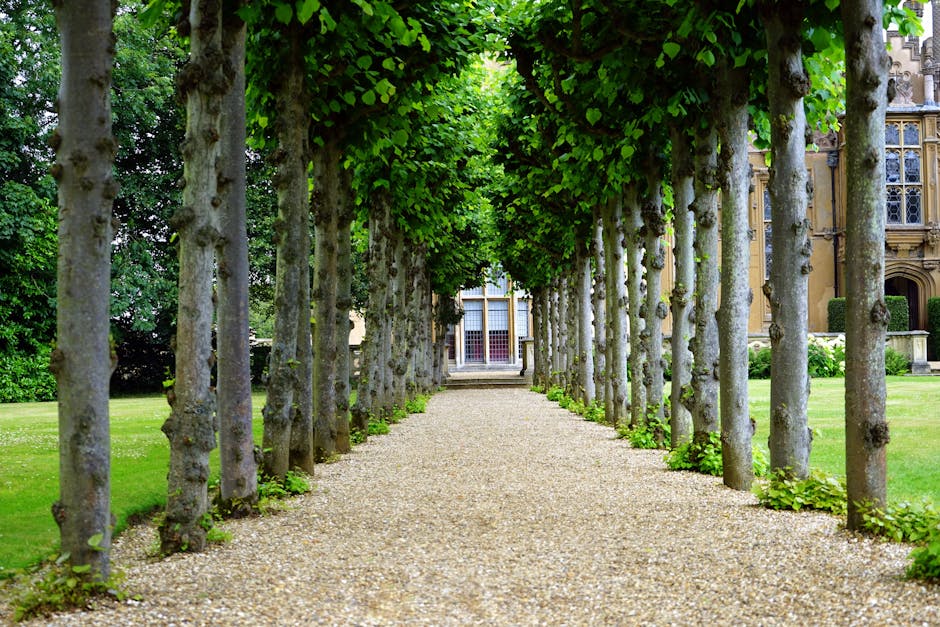
Same day gardeners in Coney Hall for urgent tree and hedge work
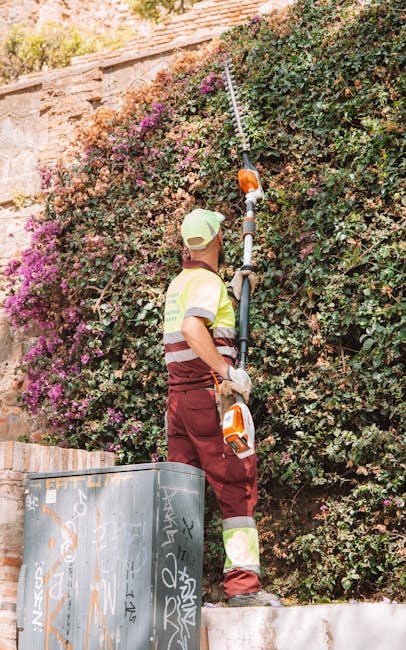
When a hedge is leaning into the pavement, a branch is scraping tiles, or a tree suddenly looks unsafe after a windy night, waiting until next week is not always an option. That is exactly where same day gardeners in Coney Hall for urgent tree and hedge work become genuinely useful. You need someone who can turn up promptly, assess the job properly, and deal with the immediate problem without making a drama out of it.
This guide explains what same-day garden help usually covers, how the process works, what to expect on arrival, and when urgent tree or hedge work is the right call. It also covers practical checks, safety points, and a few common mistakes that people make when they are understandably trying to sort things out quickly. To be fair, urgent garden work often starts as a nuisance and ends as a safety issue if it is left too long.
Whether you are dealing with an overgrown hedge before visitors arrive, a broken branch after bad weather, or a tree that needs attention before it causes damage, the aim is simple: help you make a sensible decision fast.
Why Same day gardeners in Coney Hall for urgent tree and hedge work Matters
Urgent garden work is not just about appearance. Yes, a crisp hedge line looks better. Yes, a tidy front garden helps the place feel looked after. But when branches are hanging low, hedges are blocking sight lines, or fallen debris is sitting across a path, the issue moves into safety and access. That is where speed matters.
In a place like Coney Hall, where gardens can be mature, varied, and sometimes a bit compressed around paths, driveways, or boundary lines, small problems can become awkward quickly. A hedge that has crept across a pavement can frustrate neighbours. A tree limb hanging over a shed or car can make everyone uneasy. And after a stormy evening, the garden can look fine from a distance but still hide a nasty surprise up close. You notice it when the light is low and the wind is still moving through the branches. That uneasy feeling usually means something needs doing.
Urgent tree and hedge work matters because it helps you:
- reduce immediate hazards around people, pets, vehicles, and buildings
- restore access to paths, gates, and driveways
- prevent minor damage becoming a larger repair job
- keep neighbours, visitors, and passers-by safe
- bring a neglected garden back under control before it gets worse
There is also a practical side. If a hedge is obscuring a front entrance or a tree is shedding deadwood, the longer you wait, the more time the problem has to spread. Leaves fall, branches snag, and the job gets fiddlier. Nobody wants to be the person clearing twigs from the front step at 7:30 in the morning with a cup of tea going cold nearby.
For broader upkeep beyond the urgent callout, some homeowners prefer to combine immediate work with regular care through garden maintenance so the same issue does not keep returning every few weeks.
How Same day gardeners in Coney Hall for urgent tree and hedge work Works
Same-day work usually follows a simple pattern. It is fast, but it should still be methodical. A proper gardener does not just arrive and start cutting at random. Good urgent work begins with a quick assessment, because the safest solution is not always the most obvious one.
Here is how it typically works in real life:
- You describe the problem clearly. For example: a hedge has grown into the footpath, a branch is blocking a gate, or a tree is shedding limbs after strong wind.
- The urgency is judged. Some jobs are cosmetic and can wait. Others need immediate attention because they affect access, visibility, or safety.
- The tools and crew are matched to the task. Light hedge trimming is very different from removing heavy, unstable branches.
- The site is checked before work starts. Good practice is to look for overhead hazards, nearby glass, fences, cables, fragile planting, and access restrictions.
- The urgent work is completed efficiently. Usually this means making the area safe and tidy first, then finishing the shaping or removal where possible.
- Waste is cleared away. Nobody wants a half-finished pile of branches sitting there all evening.
In many cases, urgent tree work is linked with larger tasks such as crown lifting, deadwood removal, or careful cutting back from roofs and boundaries. If the issue is more than simple pruning, a service like tree lopping and removal may be the more appropriate route, especially where a branch is damaged or the tree has become problematic.
For overgrown hedges, a focused hedge trimming service is often the quickest way to restore shape, visibility, and boundary control without overdoing the cut. That distinction matters. A hedge can be reduced neatly or butchered badly. Big difference.
Key Benefits and Practical Advantages
Same-day attendance brings obvious speed, but the real value is what that speed does for the rest of the day. It can reduce stress, protect property, and stop the job from hanging over you for another week. Let's face it, garden problems have a habit of bothering you every time you look out of the window.
1. Immediate risk reduction
If something is unstable, overhanging, or blocking a route, fast action can make a real difference. This is especially important where children, elderly residents, delivery drivers, or visitors are involved.
2. Better first impression
If you are preparing for guests, a rental changeover, a sale, or a family gathering, a rapid tidy-up can make the whole property feel calmer and more presentable. A hedge cut back from a path changes the feel of the place straight away.
3. Less chance of escalation
Small damage can become bigger damage. Broken branches can snag further in the wind. A hedge that leans into a walkway can keep spreading across the boundary. Fast intervention helps keep things contained.
4. More efficient use of labour
When the team is already on site for urgent work, it can sometimes make sense to deal with linked problems too. For example, if the front hedge is blocking access and the side garden is cluttered, a broader tidy-up may be more efficient than a separate revisit. That said, it should still be done sensibly, not rushed for the sake of it.
5. Peace of mind
This one is easy to underestimate. Once the dangerous or annoying part is dealt with, you stop worrying every time it gets windy. And that peace of mind is worth a lot, really.
For ongoing calm rather than just emergency fixes, some households pair urgent work with planned visits through garden maintenance or broader services overview information so they can see what fits best over time.
Expert summary: urgent tree and hedge work is most valuable when it solves the immediate issue safely, clears access, and leaves the garden in a better long-term position rather than simply looking cut down for the day.
Who This Is For and When It Makes Sense
Same-day garden help is not just for dramatic emergencies. In fact, many requests are more mundane than that. A hedge has got too tall. A branch is blocking light. A path is becoming awkward to use. These things sound minor until you try to live with them for another week.
This service tends to make sense for:
- homeowners who need a fast response before a safety issue worsens
- landlords preparing for tenants, inspections, or repairs
- older residents who need access kept clear and manageable
- busy families who do not have the time, kit, or confidence to tackle the job safely
- people dealing with storm damage, heavy growth, or sudden tree failure
- anyone needing a one-off intervention before a bigger scheduled project
It also makes sense if the job is not huge but is awkward. A hedge on a boundary line can be simple in theory and annoying in practice. A tree branch at roof height may look easy from the patio but becomes much less simple once ladders, safety, and waste removal enter the picture. Truth be told, those are exactly the jobs that catch people out.
If the space needs a broader reset after months of growth, you might also consider garden clearance. That can be especially helpful where urgent cutting is only part of a wider tidy-up.
Step-by-Step Guidance
If you are trying to organise urgent garden work quickly, a clear process helps. The goal is not to become a project manager overnight. Just enough structure to avoid confusion.
- Identify the urgent issue. Is it blocking access, causing damage, or creating a safety concern? Be specific.
- Take a couple of photos if you can do so safely. This helps explain the scale of the job and whether access is awkward.
- Separate the urgent part from the non-urgent part. For example, a tree branch over a path may need attention today, while shaping the rest of the crown can wait.
- Ask what will actually be done. Will the hedge be reduced, shaped, or only cleared back from the path? Will branches be removed, or only made safe?
- Check access points. Gates, side passages, parked cars, shared driveways, and bins can all affect the speed of the visit.
- Confirm waste handling. Branches, hedge cuttings, and leaves can take up more space than people expect.
- Walk through the result before the team leaves. A quick look can catch missed debris or a spot that still needs attention.
A small but useful habit: keep the area near the work zone clear before the team arrives. Move pots, garden furniture, toys, hoses, and anything brittle. It saves time and avoids that horrible little moment where a planted pot gets nudged because there was nowhere else to set it. Happens all the time.
If you want to understand what other garden tasks can be bundled around the urgent work, lawn mowing and landscaping are sometimes relevant follow-on services once the immediate issue is under control.
Expert Tips for Better Results
Good results usually come from a mix of speed and judgement. Not every hedge should be cut back hard. Not every overhanging branch should be removed at the first glance. A bit of restraint can save the plant, the boundary line, and your long-term costs.
Be clear about your priority
If the main issue is safety, say that. If it is privacy, say that. If it is access, say that too. The best solution depends on what matters most. A hedge can be safe, tidy, and still not perfect. That is fine if the urgent need has been addressed.
Ask for a balanced cut
Especially with hedges, overcutting can leave gaps and slow recovery. A careful trim usually gives a better finish than taking too much off in one go. You will notice this most on older hedges where bare patches can hang around for months.
Think in layers
For trees, urgent work might mean removing immediate hazards first, then arranging a fuller follow-up later. That staged approach is often smarter than forcing everything into one visit.
Protect the surrounding garden
Experienced gardeners should work in a way that respects surrounding planting, lawns, paving, and any structures nearby. If your garden has delicate borders or decorative features, mention them. No one wants a clipped hedge and a flattened lavender bed. Bit of a mixed result otherwise.
Choose follow-up care
Once the emergency is handled, a maintenance rhythm helps prevent repeat problems. Regular attention usually means less drastic cutting later, which is easier on the plants and easier on your schedule.
For those who want a clearer picture of standards around safety and care, it can be useful to look at the company's own insurance and safety approach and health and safety policy. Those details matter more than people realise when trees, height, and tools are involved.
Common Mistakes to Avoid
Urgency can make people skip sensible checks. Understandable, but not ideal. A rushed decision can leave you with the original problem plus a new one.
- Waiting too long. If a hedge is already causing access issues or a tree limb looks unstable, do not assume it will sort itself out.
- Requesting a cut without explaining the reason. Safety, privacy, access, and appearance are not all the same job.
- Over-pruning in one visit. Some plants tolerate hard cutting better than others. Too much can weaken growth.
- Ignoring waste removal. A tidy cut is only half the job if the debris is left behind.
- Forgetting nearby risks. Glass, fencing, buried edges, lighting, and uneven paving can all affect the work.
- Choosing the cheapest option without checking what is included. A low number can be misleading if it does not cover clearance, shaping, or safe access.
A useful rule of thumb: if a job sounds easy but feels awkward, it probably deserves a proper assessment. Gardens have a funny way of hiding the difficult bit just around the corner.
Tools, Resources and Recommendations
For urgent tree and hedge work, the right equipment depends on the task. The important thing is not owning the most tools, but using the right ones safely and in the right order.
| Job type | Typical tools or equipment | What good practice looks like |
|---|---|---|
| Light hedge trimming | Hedge trimmer, hand shears, waste bags | Even cuts, clear edges, tidy disposal |
| Branch reduction | Pruning saw, loppers, pole tools | Careful cuts that avoid tearing and instability |
| Storm-damaged tree work | Specialist cutting tools, ladders or access equipment, protective gear | Safety-first assessment before any cutting begins |
| Boundary clearance | Shears, saws, rake, collection tools | Access restored and debris removed |
| Post-work tidy-up | Rake, blower, trailer or transport bags | No sharp offcuts or loose waste left behind |
For most homeowners, the best recommendation is simple: do not try to improvise with household tools if the job involves height, unstable wood, or dense growth. A hedge trimmer on a tall ladder is not a clever shortcut. It is usually a story people tell with a wince afterwards.
If you are comparing services, the pricing guidance on pricing and quotes can help set expectations, while payment and security gives a helpful overview of how a reputable business should handle the practical side.
For people who care about what happens to the green waste afterwards, recycling and sustainability is worth reading too. Branches and hedge cuttings should not just vanish into thin air, after all.
Law, Compliance, Standards, or Best Practice
This kind of work can touch on safety, access, boundary considerations, and waste handling, so it is sensible to approach it with care. Without getting too formal about it, there are a few UK best-practice points worth keeping in mind.
First, tree and hedge work should be carried out with suitable regard for public safety and property protection. If a tree is visibly unstable, damaged, or close to a structure, it should be assessed properly before cutting begins. Second, if branches or hedges affect shared boundaries, paths, or access routes, it is wise to check who is responsible for what before the work goes ahead. That avoids awkward conversations later, which nobody enjoys. Third, waste should be cleared and handled responsibly rather than dumped somewhere inconvenient.
For homeowners, the most practical compliance question is often simple: is the work being done safely, and does it fit the condition of the garden? If the answer is unclear, it is better to slow down for a moment than push ahead blindly. In our experience, the best urgent jobs are the ones where speed does not replace judgement.
If you want to learn more about how the business handles these issues, the pages on insurance and safety, health and safety policy, and terms and conditions are the most relevant places to check.
Options, Methods, or Comparison Table
When a tree or hedge needs attention the same day, there are usually a few possible approaches. The best one depends on risk, time, and how much of the garden is affected.
| Approach | Best for | Pros | Limits |
|---|---|---|---|
| Light trimming | Overgrown hedge edges, minor encroachment, tidy-up work | Quick, neat, usually less disruptive | Not enough for heavy growth or damaged wood |
| Targeted safety cut | Branches blocking access or threatening a structure | Solves the urgent issue fast | May need follow-up for full shaping |
| Full hedge reduction | Severe overgrowth or boundary loss | Major visual improvement | Needs good judgement to avoid overcutting |
| Tree lopping or removal | Unsafe, broken, or badly placed tree material | Addresses the problem at source | More involved and may require careful planning |
| Garden clearance | Mixed debris, multiple problem areas, neglected spaces | Resets the area quickly | Less precise if the issue is only one plant or branch |
If the job is mostly about appearance and access, trimming may be enough. If the issue is structural or dangerous, a more focused removal approach is usually better. A useful next step is to think, very plainly, what is the thing that is actually causing the problem? The answer often points to the right method.
Case Study or Real-World Example
Here is a realistic scenario, based on the sort of work people commonly request. A homeowner in Coney Hall notices that a hedge near the front path has spread across the boundary and is making the entrance feel cramped. At the same time, a tree in the side garden has a broken branch after a windy night. Nothing dramatic enough to panic over, but enough to make the whole property feel untidy and a bit risky.
The immediate priorities are clear: keep the path open, remove the damaged branch safely, and make the front boundary presentable again. The hedge is trimmed back to restore access and shape, the branch is dealt with before it worsens, and the cuttings are cleared so the garden is usable straight away. That same visit might also reveal that the rest of the hedge needs a lighter follow-up later in the season.
This is a classic same-day situation. The important bit is not making the garden perfect in one go. It is making it safe, usable, and calm again. Once that pressure lifts, people usually feel the difference immediately. The front of the house looks less stressed, the path feels open, and the wind through the branches no longer sounds like a problem waiting to happen.
Practical Checklist
Use this checklist before arranging urgent tree or hedge work. It keeps the conversation focused and helps the job go more smoothly.
- Identify the exact issue: hedge, branch, tree, debris, access, or safety
- Check whether anyone or anything is at immediate risk
- Take safe photos if they help explain the problem
- Clear access to gates, paths, and work areas
- Move fragile items, pots, furniture, and toys
- Think about whether the issue is urgent or can be scheduled
- Decide if you want a trim, a reduction, or a clearance
- Ask how waste will be collected and removed
- Confirm whether follow-up work may be needed later
- Walk through the finished result before the team leaves
For a broader view of what can be combined with urgent work, services overview gives a simple way to see related garden tasks without overcomplicating things.
Conclusion
Same-day gardeners in Coney Hall for urgent tree and hedge work are about more than speed. They help you deal with the immediate issue properly, reduce risk, and bring order back to a garden that has become a bit too lively for comfort. Whether the problem is a hedge blocking the path, a branch causing concern, or a tree that needs careful attention, the smartest outcome is one that balances urgency with judgement.
Use the same-day visit to make the space safer and clearer, then think about the longer game afterwards. A bit of planned care now usually saves a lot of hassle later. And honestly, that is one of the nicest feelings in gardening: looking out the window the next morning and seeing calm instead of chaos.
If you are ready to sort the issue properly, explore the relevant service pages, review the safety and pricing information, and take the next step with confidence.
Get a free quote today and see how much you can save.
Frequently Asked Questions
What counts as urgent tree or hedge work?
Urgent work usually means the job affects safety, access, or property protection. That includes fallen branches, hedges blocking a path, trees touching a structure, or growth that has become an immediate nuisance.
Can same-day gardeners handle both trees and hedges in one visit?
Often, yes. If the access, tools, and workload make sense, a single visit can deal with hedge trimming and targeted tree work together. It depends on the size and risk of the job.
Is same-day service only for emergencies?
No. It is also useful for fast tidying before visitors arrive, for overgrowth that got out of hand, or for jobs that are urgent but not truly dangerous.
Will the gardener remove all the waste?
They should clear the cuttings and debris as part of the job, or clearly explain what is included before work starts. A neat finish is part of the service, not an optional extra in practice.
How do I know whether a hedge should be trimmed or reduced?
Trimming is usually for shaping and tidying. Reduction is for cutting the hedge back more substantially because it has become too large. If you are unsure, describe the problem rather than guessing the solution.
What if a tree branch is hanging over my roof?
That should be treated carefully. Do not climb up to inspect it yourself. A proper assessment is the safer approach, especially if the branch looks damaged or unstable.
Can urgent hedge work damage the plants?
It can if it is overdone. Good gardeners try to balance the immediate need with the health of the hedge. A careful cut is better than hacking away too much in one go.
Do I need to be home for the work?
Usually yes, or at least available by phone, especially for urgent jobs where decisions may need to be made on the spot. That avoids delays and confusion.
How long does same-day garden work usually take?
It varies a lot. A small hedge trim may take very little time, while a complex tree issue or a large clearance can take longer. The size of the access route matters too.
What should I prepare before the gardener arrives?
Clear access, move breakables, and explain the main concern as clearly as possible. A couple of photos can help too. Simple, but useful.
Is urgent tree work always more expensive?
Not always, but same-day attendance can involve a different level of planning and response. The final cost depends on the size of the job, the risk, the access, and the waste involved.
Where can I find more about the company's approach to safety and care?
The most relevant pages are the ones covering safety, insurance, payment, and service details. Those pages help set expectations and explain how the work is handled responsibly.